
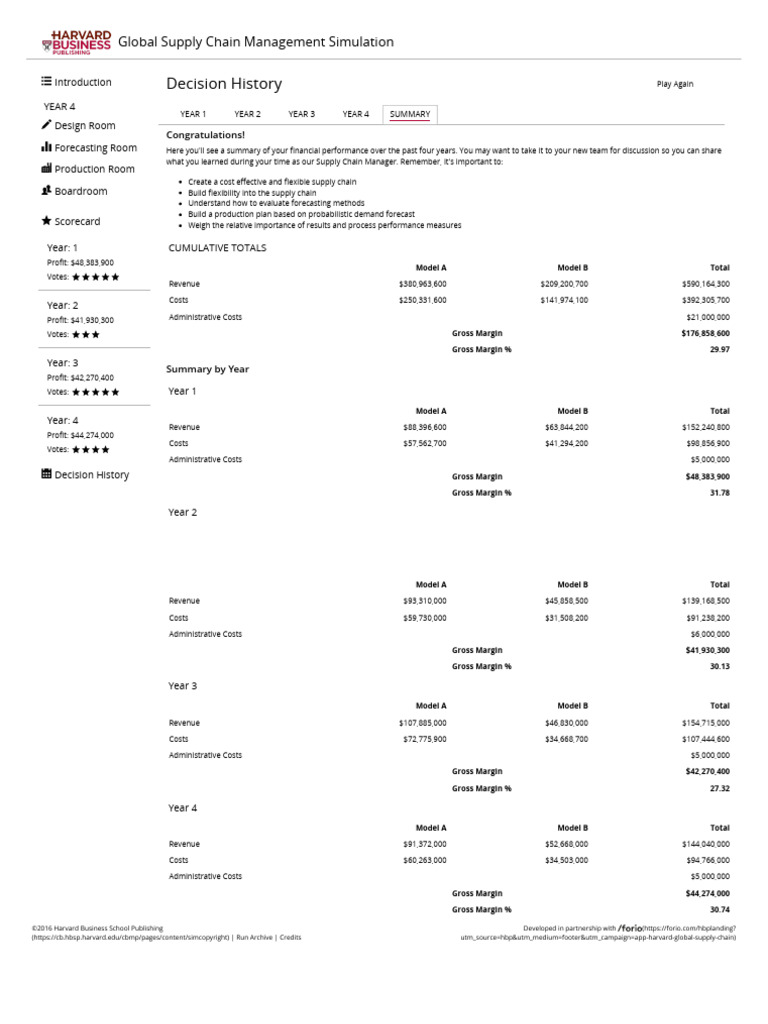
The supply chain is the backbone of any successful business, ensuring that products are delivered to customers in a timely and efficient manner. However, managing a supply chain can be a complex and daunting task, especially for small to medium-sized businesses. In this article, we will explore five supply chain tips that can help businesses optimize their supply chain operations and improve their bottom line.
Key Points
- Implement a robust inventory management system to minimize stockouts and overstocking
- Develop strategic partnerships with suppliers to improve communication and reduce lead times
- Invest in transportation management systems to optimize routes and reduce fuel consumption
- Implement a data-driven approach to supply chain management to improve visibility and decision-making
- Consider nearshoring or reshoring to reduce logistics costs and improve supply chain resilience
Understanding the Importance of Supply Chain Management

Effective supply chain management is critical to the success of any business. A well-managed supply chain can help businesses reduce costs, improve customer satisfaction, and increase competitiveness. On the other hand, a poorly managed supply chain can lead to stockouts, overstocking, and delayed deliveries, ultimately affecting the bottom line. According to a study by McKinsey, companies that excel in supply chain management can achieve up to 50% higher revenue growth than their peers.
Tip 1: Implement a Robust Inventory Management System
A robust inventory management system is essential to minimizing stockouts and overstocking. This can be achieved by implementing a just-in-time (JIT) inventory system, which ensures that inventory levels are aligned with demand. Businesses can also use inventory management software to track inventory levels, automate ordering, and optimize inventory storage. For example, a company like Walmart uses a sophisticated inventory management system to manage its vast inventory levels and ensure that products are always available to customers.
| Inventory Management Metric | Target Value |
|---|---|
| Inventory Turnover | 5-7 times per year |
| Fill Rate | 95-98% |
| Stockout Rate | <2% |

Developing Strategic Partnerships with Suppliers

Developing strategic partnerships with suppliers is critical to improving communication and reducing lead times. Businesses can achieve this by implementing a supplier relationship management (SRM) program, which involves regular communication, joint planning, and performance measurement. For example, a company like Procter & Gamble works closely with its suppliers to ensure that products are delivered on time and to the required quality standards.
Tip 2: Invest in Transportation Management Systems
Investing in transportation management systems (TMS) can help businesses optimize routes and reduce fuel consumption. A TMS can help businesses automate route planning, track shipments, and analyze transportation data. For example, a company like UPS uses a sophisticated TMS to optimize its routes and reduce fuel consumption, resulting in significant cost savings and improved customer satisfaction.
Implementing a Data-Driven Approach to Supply Chain Management
Implementing a data-driven approach to supply chain management can help businesses improve visibility and decision-making. This can be achieved by using data analytics tools to analyze supply chain data, identify trends and patterns, and make informed decisions. For example, a company like Amazon uses data analytics to optimize its supply chain operations, resulting in improved customer satisfaction and reduced logistics costs.
Tip 3: Consider Nearshoring or Reshoring
Considering nearshoring or reshoring can help businesses reduce logistics costs and improve supply chain resilience. Nearshoring involves outsourcing production to a nearby country, while reshoring involves bringing production back to the home country. For example, a company like Apple has considered nearshoring its production to Mexico to reduce logistics costs and improve supply chain resilience.
What is the primary benefit of implementing a robust inventory management system?
+The primary benefit of implementing a robust inventory management system is to minimize stockouts and overstocking, resulting in improved customer satisfaction and reduced logistics costs.
How can businesses develop strategic partnerships with suppliers?
+Businesses can develop strategic partnerships with suppliers by implementing a supplier relationship management (SRM) program, which involves regular communication, joint planning, and performance measurement.
What is the primary benefit of investing in transportation management systems?
+The primary benefit of investing in transportation management systems is to optimize routes and reduce fuel consumption, resulting in significant cost savings and improved customer satisfaction.
In conclusion, effective supply chain management is critical to the success of any business. By implementing a robust inventory management system, developing strategic partnerships with suppliers, investing in transportation management systems, implementing a data-driven approach to supply chain management, and considering nearshoring or reshoring, businesses can optimize their supply chain operations and improve their bottom line. Remember, a well-managed supply chain is the key to delivering products to customers in a timely and efficient manner, ultimately driving business success.


